Product Designer · Fintech · Product + Design System
From financial products to financial prescriptions.
Designing Nivex, a wealth platform that diagnoses an investor’s financial situation before recommending what to do next.
- Role
- Product Designer
- Company
- Nivex, via Techdome
- Year
- 2026
- Built with
- Figma
- Claude
- ChatGPT
The problem
Most investing apps ask: “What do you want to invest in?”
- Question leads to Product
- Financial data leads to Diagnosis
- Diagnosis leads to Prescription
- Prescription leads to Action
The problem wasn’t finding another financial product. It was understanding whether the investor’s existing decisions were actually working.
The big idea
Prescription,
not product.
- 01
Examine
Understand what the investor owns.
- 02
Diagnose
Find risks, inefficiencies and behavioural patterns.
- 03
Prescribe
Provide specific, human-reviewed actions.
- 04
Follow up
Track progress against the prescription.
The product ecosystem
One design language, three role-specific experiences.
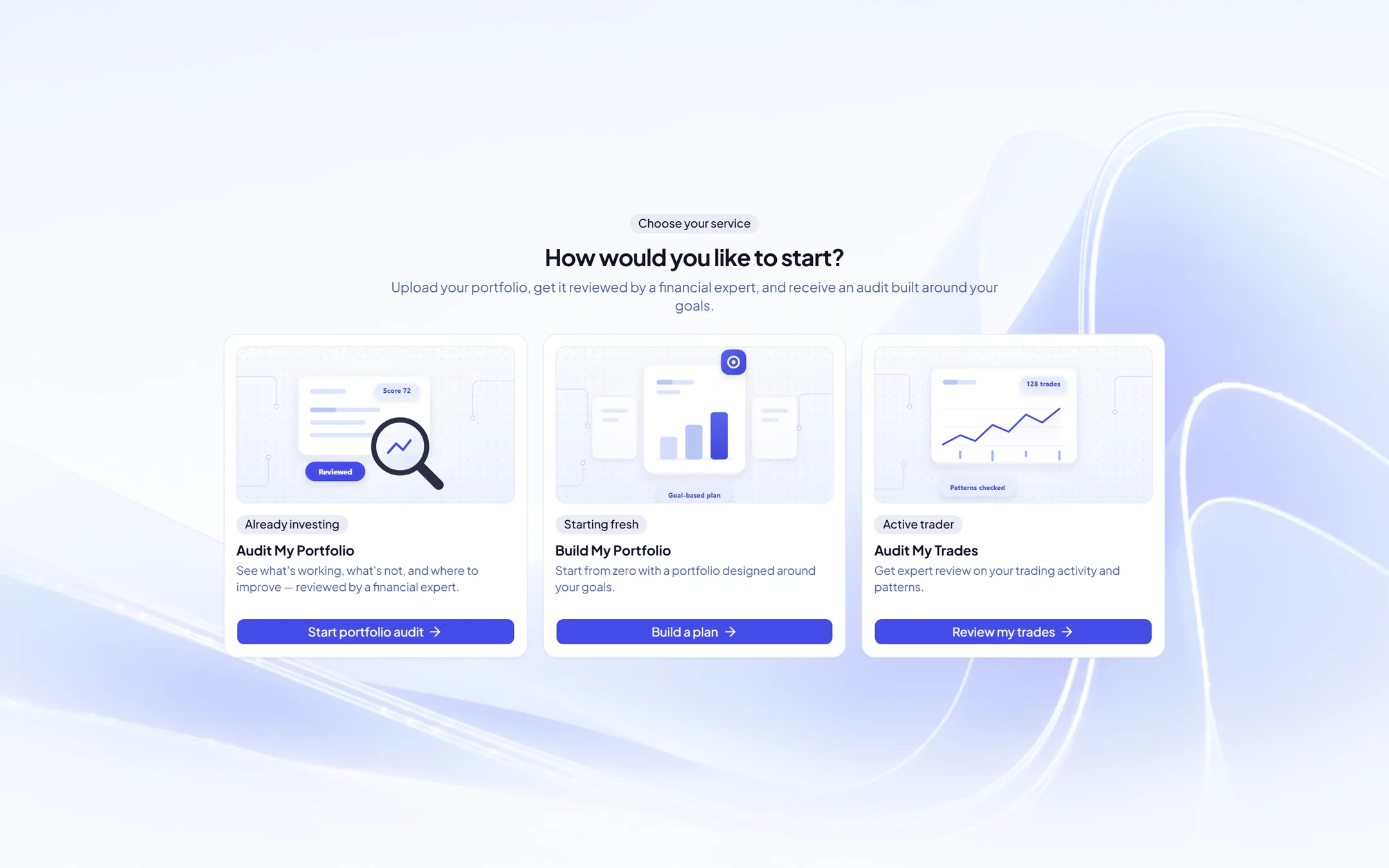
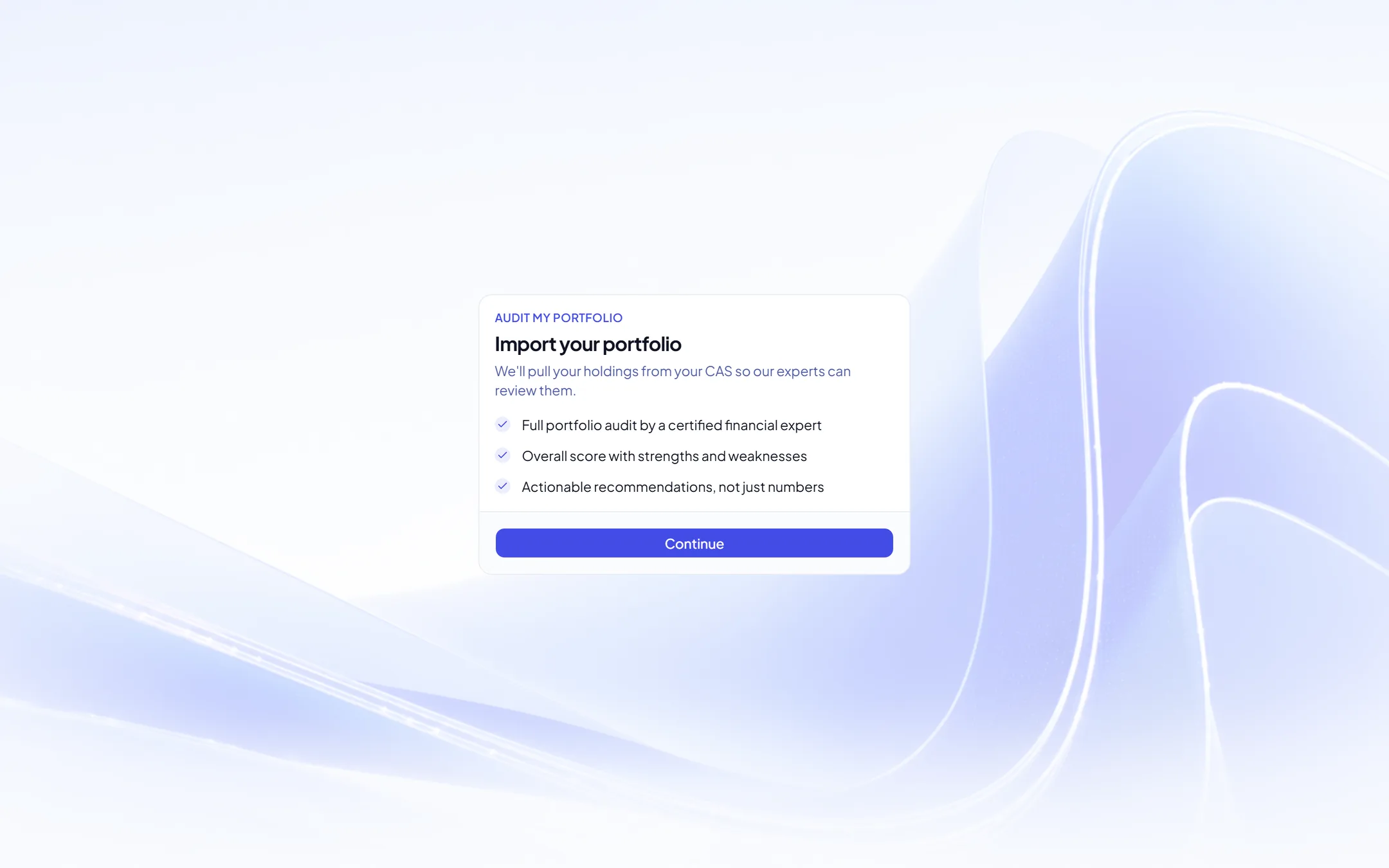
Highlighted: the audit path, which is the one most investors arrive on. Build My Portfolio skips the import entirely — it has nothing to upload — and that fork is why the dashboard had to be shaped by the services you own rather than by a fixed menu.
- Sign up leads to Choose service
- Log in leads to Choose service
- Choose service leads to Audit My Portfolio
- Choose service leads to Build My Portfolio
- Choose service leads to Audit My Trades
- Audit My Portfolio leads to Import CAS / PAN
- Audit My Trades leads to Import CAS / PAN
- Build My Portfolio leads to Short questions
- Import CAS / PAN leads to Processing
- Short questions leads to Processing
- Processing leads to Dashboard
- Dashboard leads to Prescription
- Dashboard leads to Portfolio
- Dashboard leads to Goals
- Dashboard leads to Trades
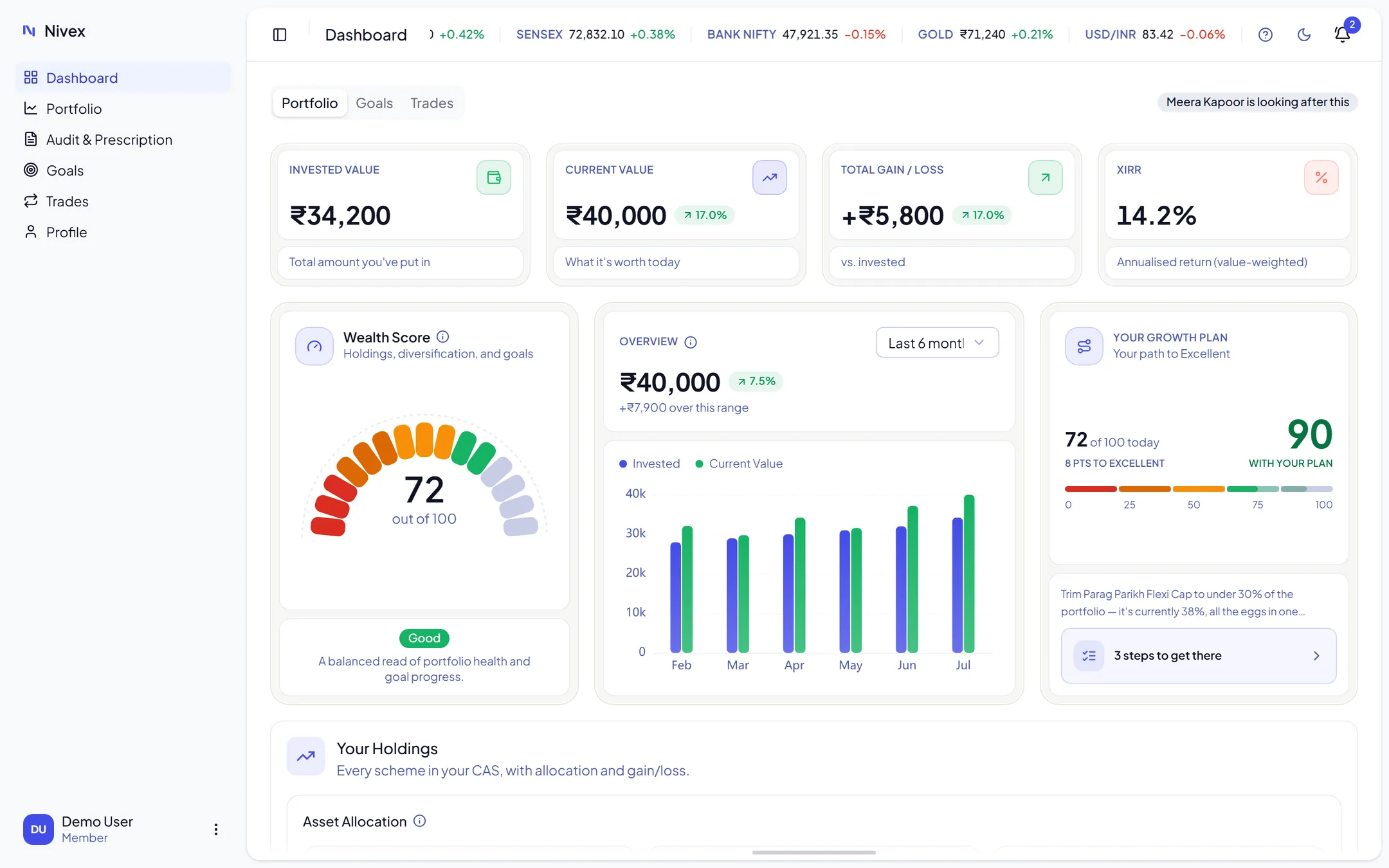
Investor
Choose → Import → Diagnose → Act
- Service selection
- PAN / CAS / Tradebook import
- Processing
- Dashboard
- Portfolio
- Goals
- Trades
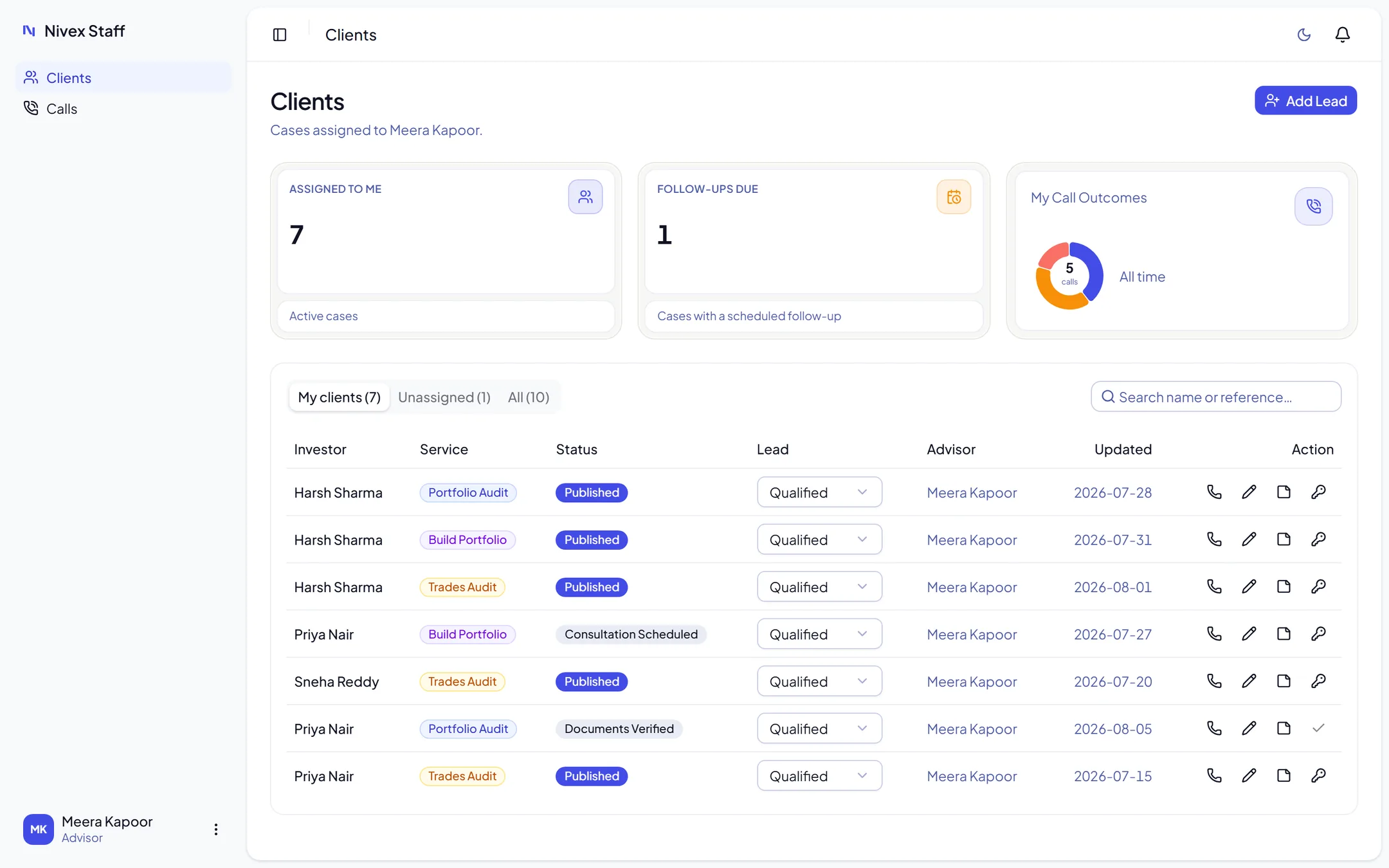
Advisor
Clients → Analyse → Review → Prescribe
- Client list
- Client detail
- Case documents
- Financial data
- Prescription authoring
- Calls
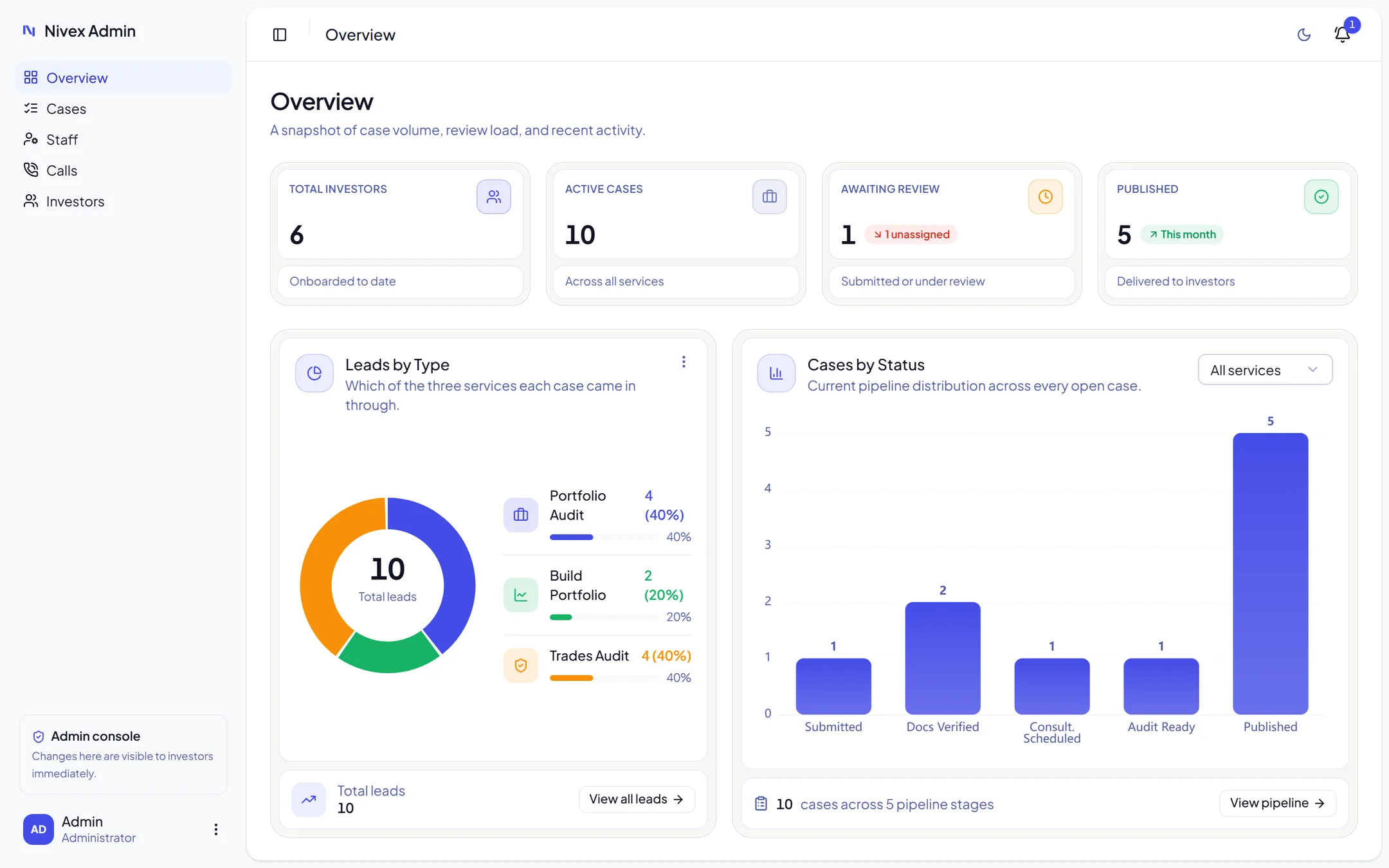
Admin
Cases → Investors → Staff → Operations
- Overview
- Cases
- Investors
- Staff
- Calls
- Client preview
Key design decisions
01
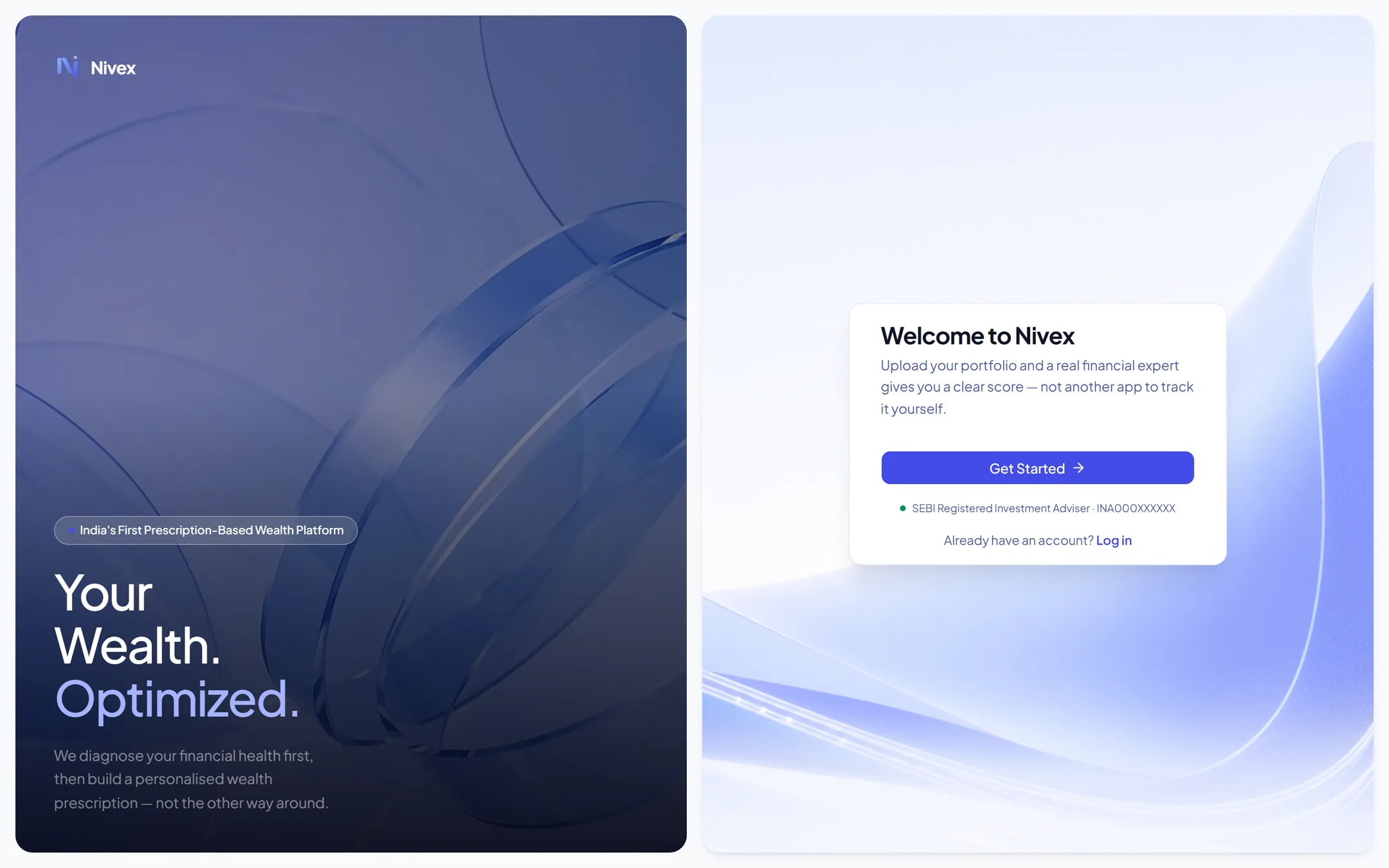
Calm over consumer-fintech
Removed pill-heavy and promotional patterns so the experience reads as trusted financial advice rather than a trading app.
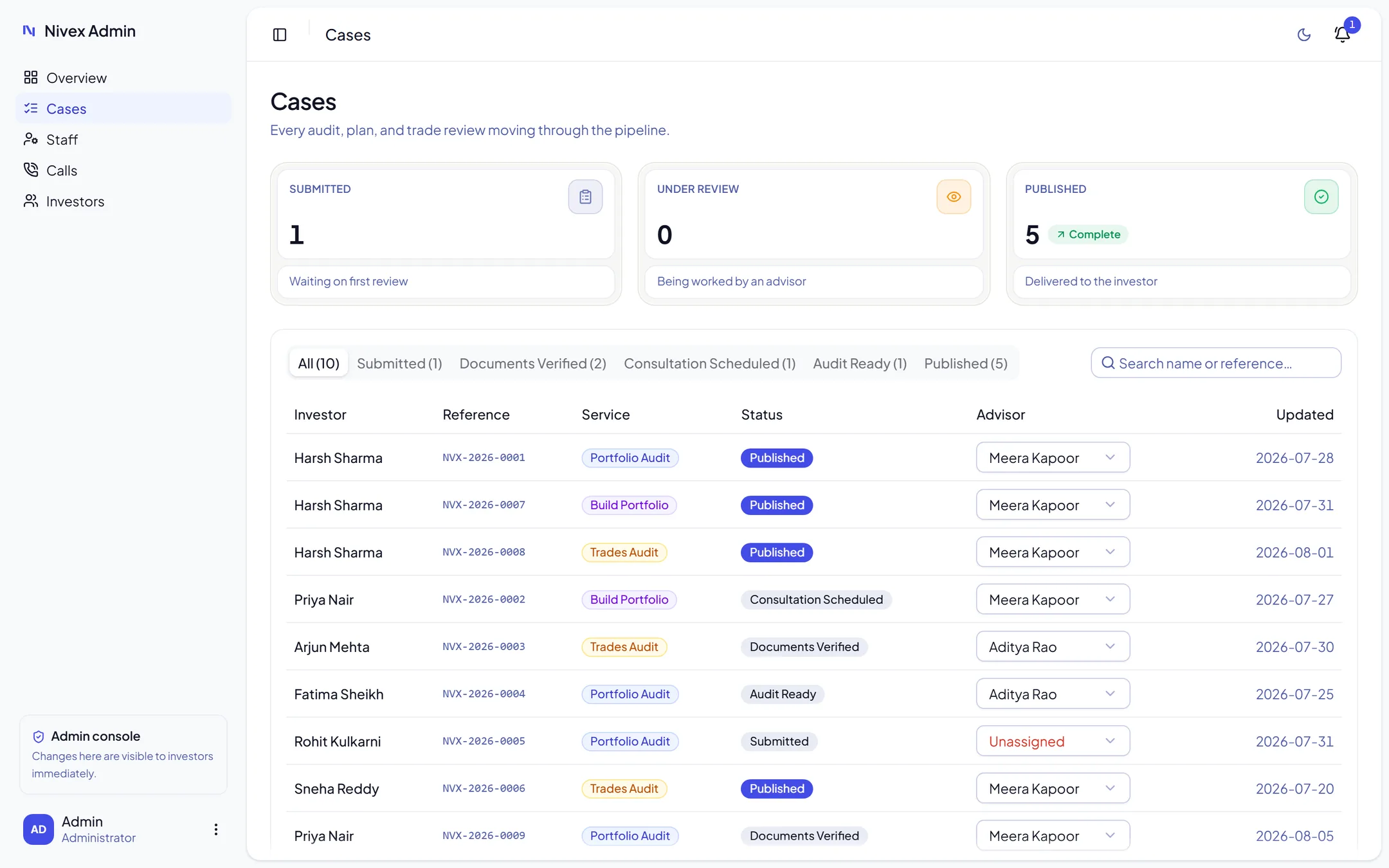
Harsh Sharma, three times — Portfolio Audit, Build Portfolio and Trades Audit as separate cases under one investor.
02
One investor ≠ one service
The product moved from assuming one service per investor to supporting several, without fragmenting the experience.
The fix was not a second dashboard per service. The nav, the home hero and the cross-sell all read from one seam, so owning three services still gives you one product.
- Investor leads to Portfolio Audit
- Investor leads to Trades Audit
- Investor leads to Build Portfolio
- Portfolio Audit leads to One dashboard
- Trades Audit leads to One dashboard
- Build Portfolio leads to One dashboard
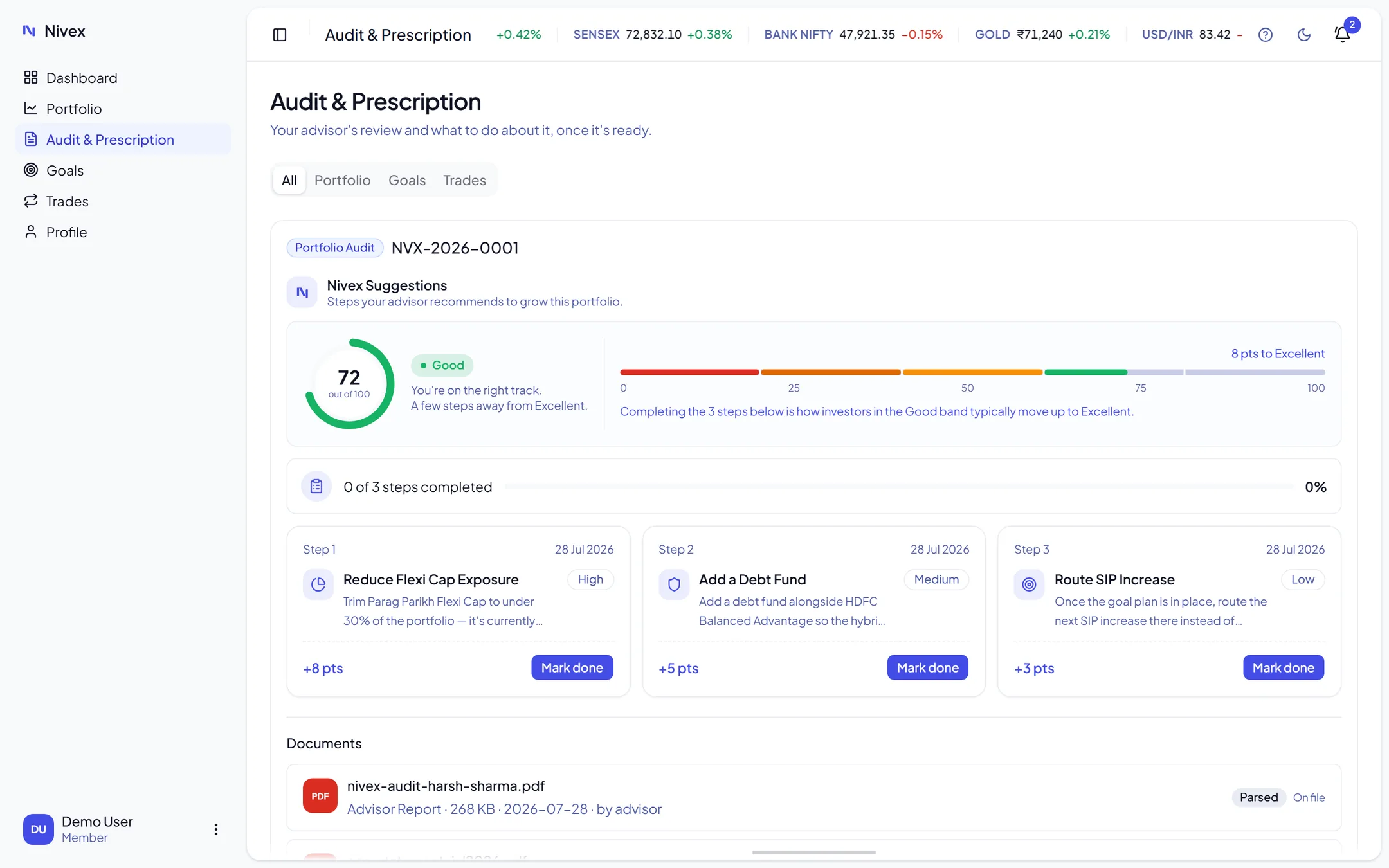
What the investor receives has already passed a person.
03
AI proposes. Humans prescribe.
AI can suggest recommendations, but an advisor has to explicitly approve them before they reach the investor.
Nothing passes the filled step automatically. No bulk accept either — an advisor accepts one draft at a time, which is the feature rather than the friction.
- Financial signals leads to AI draft
- AI draft leads to Advisor review
- Advisor review leads to Prescription
- Prescription leads to Investor
The design system
One system. Multiple products.
313 tokens resolving in that order, with a lint on every pull request and nothing hardcoded — which is why dark mode was a configuration change rather than a redesign.
- Primitives leads to Semantic
- Semantic leads to Theme
- Theme leads to Components
- Components leads to Investor
- Components leads to Staff
- Components leads to Admin
- Components leads to Marketing
The design system wasn’t a standalone library. It was built to ship the product — shared tokens and components keeping every surface consistent in look and in behaviour.
Method
Designing at the speed of implementation.
Constraints first, implementation second, human judgment throughout. The dashed return is where most of the design actually happened.
- Design constraints leads to Claude Code
- Claude Code leads to Working prototype
- Working prototype leads to Test
I translated the product decisions and the design system into a working React prototype with Claude Code, so I could test real product behaviour instead of relying on static screens.
- CLAUDE.md
- 14 ADRs
- Design tokens
- Component docs
- React prototype
- Storybook
Constraints first, implementation second, human judgment throughout. The rules and architecture decisions existed before the code they governed.
The product
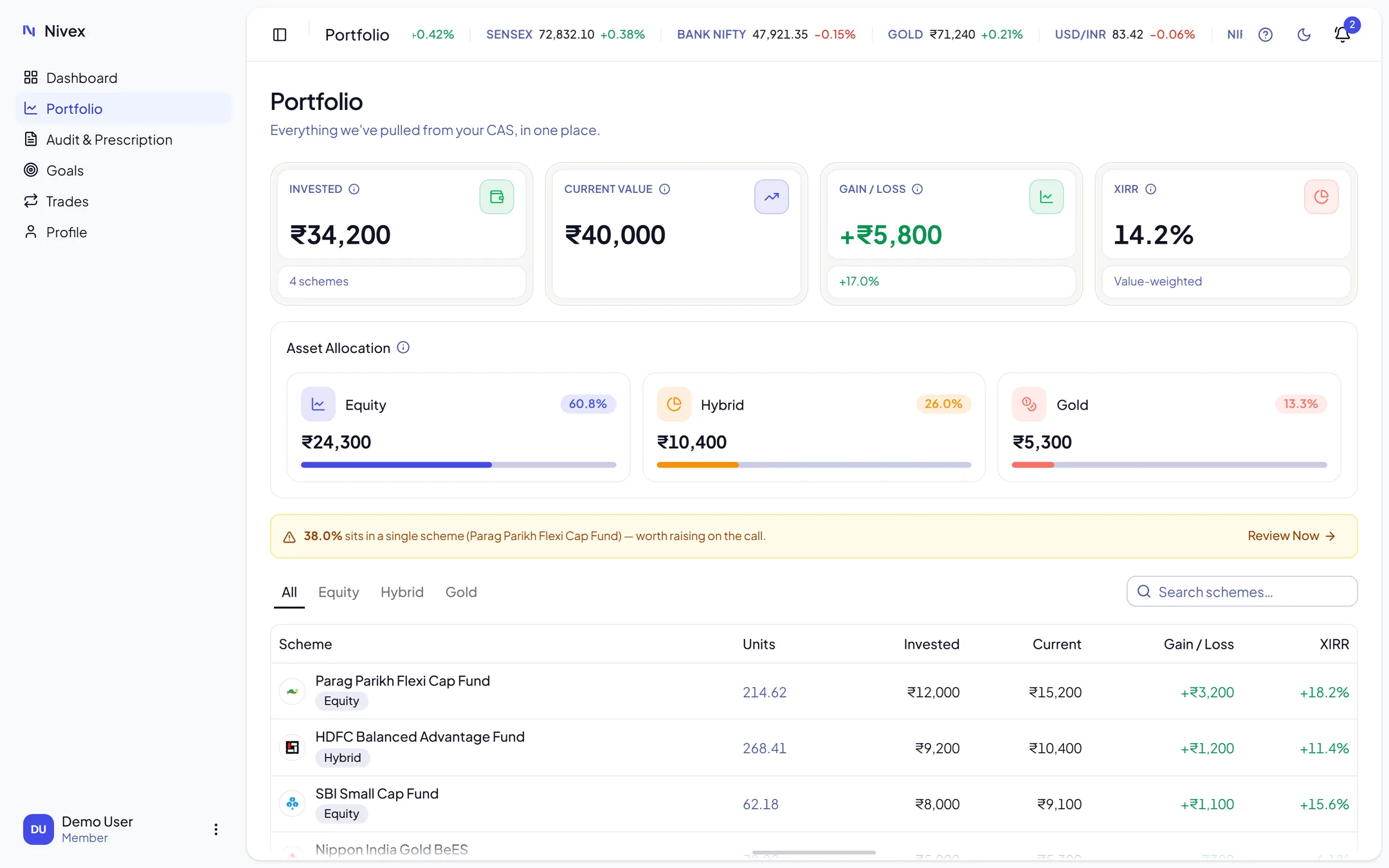
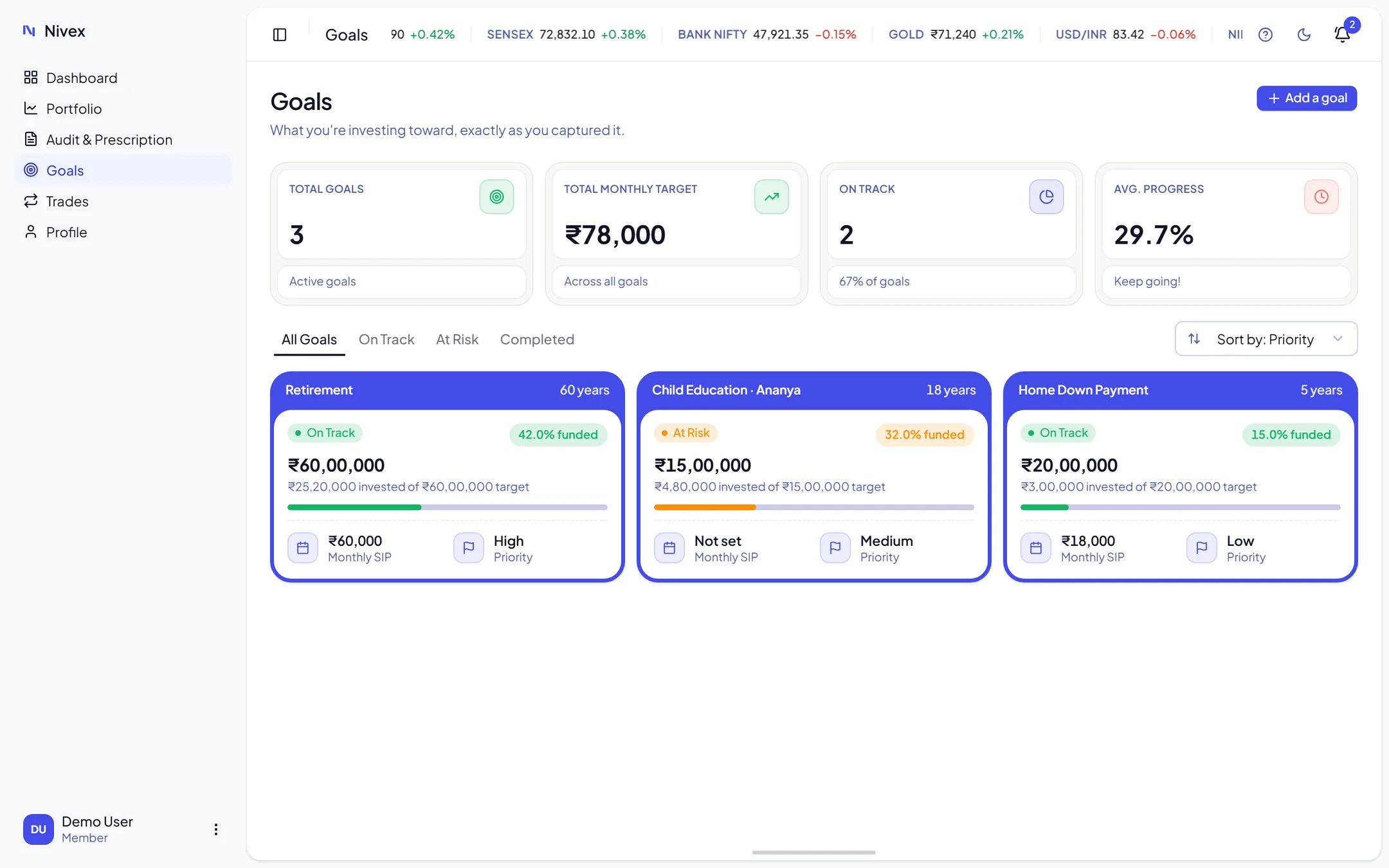
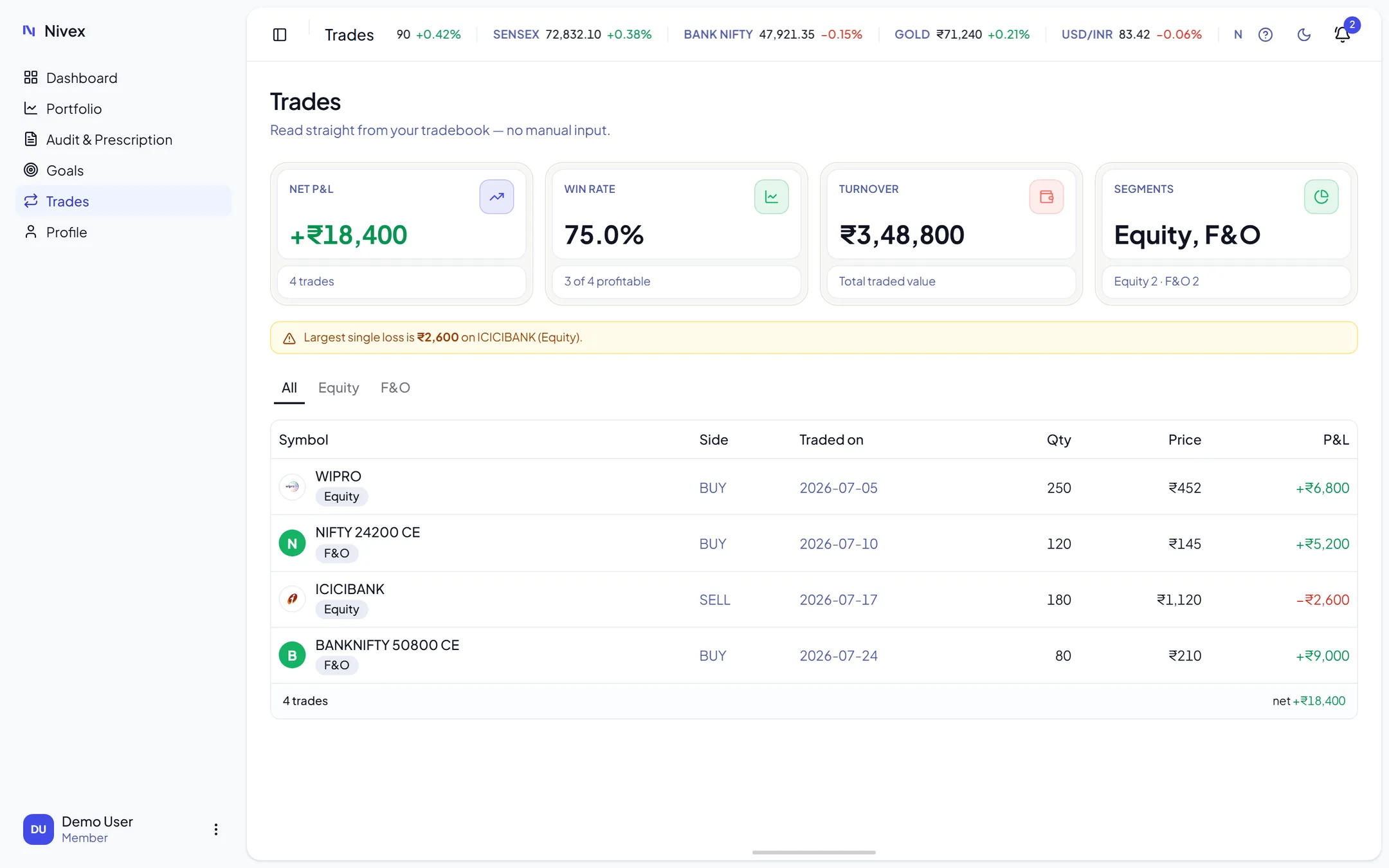
Delivered
- Investor experience
- Advisor experience
- Admin experience
- Shared design system
- Working product prototype
- Storybook
- Marketing website
- Human-in-the-loop prescription model
The goal wasn’t to build another investment app. It was to make financial advice understandable, actionable and trustworthy.
Nivex changed how I think about AI-assisted product design: the important question isn’t only what AI can automate, but where it should stop.
Next case study
A clearer workspace for working with APIs